

An oolong label can leave you with a surprisingly difficult choice. One description promises flowers, another mentions ripe fruit, and the leaves may look completely different. If you are buying your first oolong, start with the flavors you already enjoy and a small quantity you can try at home.
Here is how to make that choice using three oolongs in the Aurioo collection, without needing to learn a long list of tea names first.
Oolong leaves room for different tastes
Oolong is tea made from the Camellia sinensis plant and processed with partial oxidation. That puts it in a broad category between green and black tea, rather than giving it one fixed flavor. Production choices, including shaping and roasting, help explain why two oolongs can look and taste different.
For shopping, the useful question is more specific: what does this particular tea offer? Look for descriptions of the dry leaves, aroma and brewed cup. Those details give you something concrete to compare.

Read beyond the oxidation label
An oxidation percentage alone does not describe an oolong’s aroma or roast. Read the tasting notes for the specific tea you are buying. The three options below give you leaf shapes, aromas and cup colors to compare.
Pick one description that sounds appealing. Use it as a starting point, then decide how well it matches your own cup.
Choose a profile you would like to explore
Tie Guan Yin for an orchid-like aroma
Aurioo’s Tie Guan Yin Tea has rolled green leaves and is described as having an orchid-like aroma and a mellow taste. If a floral description appeals to you, this is a sensible first candidate.
It comes in 10 g and 180 g options. The smaller size lets you try the tea before choosing the larger quantity. Pay attention to the aroma as well as the taste when you brew it; write down whatever you notice, even if your words differ from the listing.
Da Hung Pao for a different floral comparison
Da Hung Pao Oolong Tea is also described as floral, but its dry leaves are tightly shaped strips with green and brown tones. Its infusion is described as bright and orange-toned. Available quantities are 10 g and 120 g.
This makes it a useful second choice if you want to explore more than one floral oolong. Compare it with Tie Guan Yin and note which aroma you would want to return to.
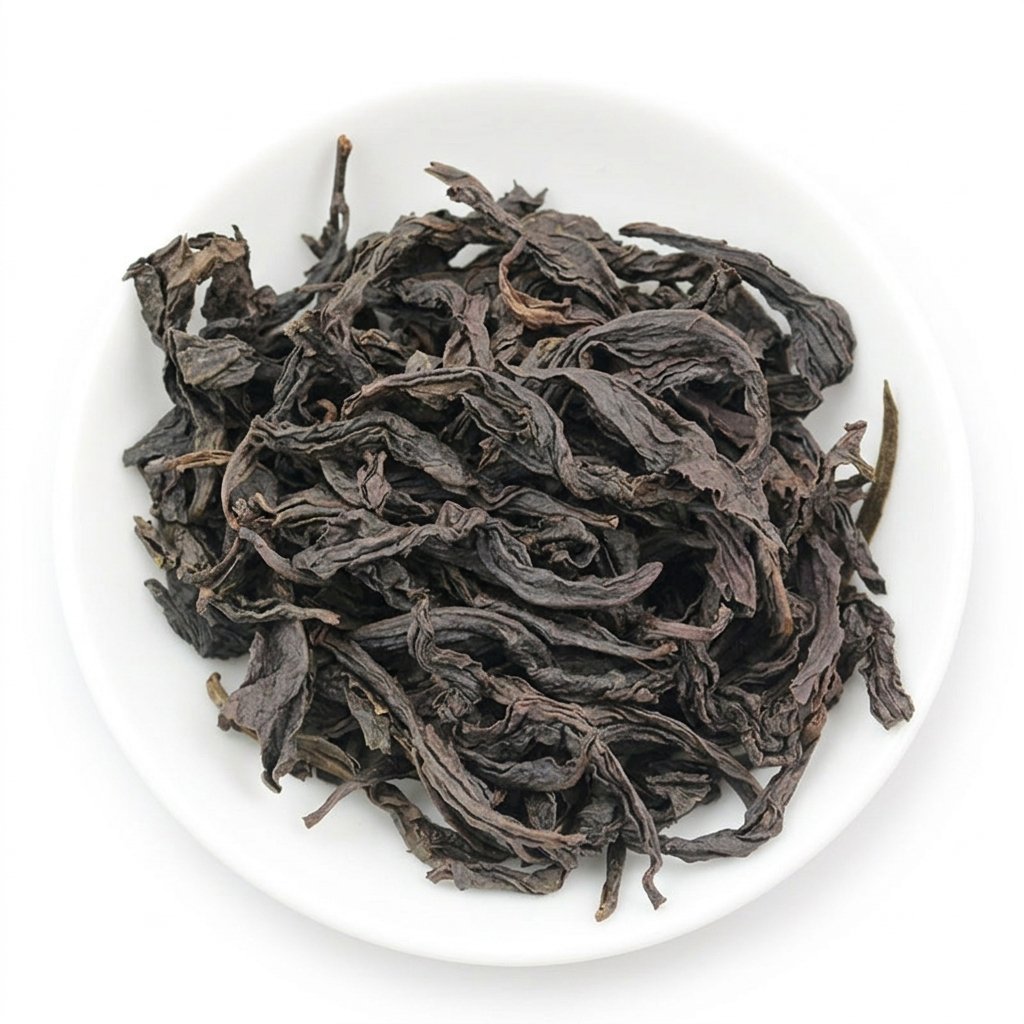
Bai Hao for fruit and honey aromas
Bai Hao Oolong Tea offers another direction: reddish leaves, an amber-toned infusion, and a sweet profile with ripe-fruit and honey aromas. It is available in 10 g and 120 g options.
Choose it when those fruit-led descriptions sound more inviting than an orchid-like aroma. If you are choosing two teas, Bai Hao and Tie Guan Yin give you two clearly different sets of descriptions to investigate. That is a starting point for your tasting, rather than a promise about what every drinker will perceive.

Keep your first comparison manageable
Try one tea at a time in the same clean brewing vessel and cup. Use each tea’s own brewing guidance as your starting point, and note your leaf quantity, water temperature and infusion time. This is a practical way to keep track of what you did, rather than a formal tasting test.
Write a short note after each cup: the aroma you noticed, whether the strength suited you, and whether you would want another serving. If you adjust the next brew, change one thing at a time so you can follow the result.
You do not need to buy a complete set for this. If you are still deciding which pieces would suit your routine, our Chinese tea set guide explains the main options.
Let the second purchase follow the first cup
Start with one or two small packs whose descriptions interest you. Keep the product names beside your tasting notes, then return to the tea you most want to drink again. Choosing a larger pack becomes much easier once you have an answer from your own cup.
Further reading: ArtfulTea’s introduction to oolong provides background on the category and processing. Product descriptions and pack sizes above refer to Aurioo’s linked listings.