
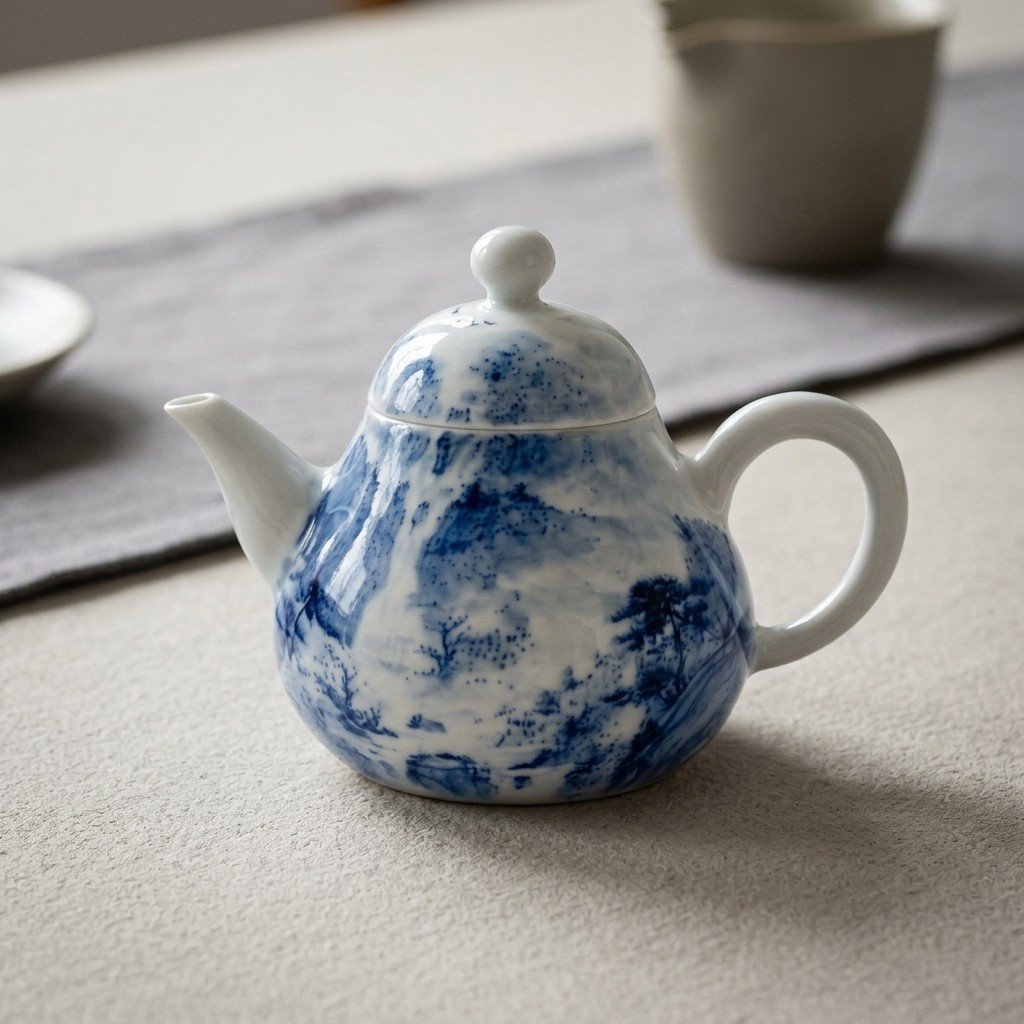
The last pour is finished, but a few leaves remain in the gaiwan and a little tea sits beneath the teapot lid. Give those pieces a few minutes of attention before leaving them to dry. A simple routine makes it easier to notice what still needs rinsing.
To clean hand painted teaware, start with the instructions for the individual piece. Aurioo’s Landscape Gaiwan, Vegetable Motif Cup and Pear Teapot are all jade clay porcelain, yet their shapes give you different places to check. Here is a practical routine for the end of a tea session.
Empty the tea and separate the pieces
Wait until the vessels are comfortable to handle. Set each lid down separately, pour away remaining tea and remove the spent leaves. Work on one piece at a time so you can keep hold of it without balancing another cup or lid alongside it.
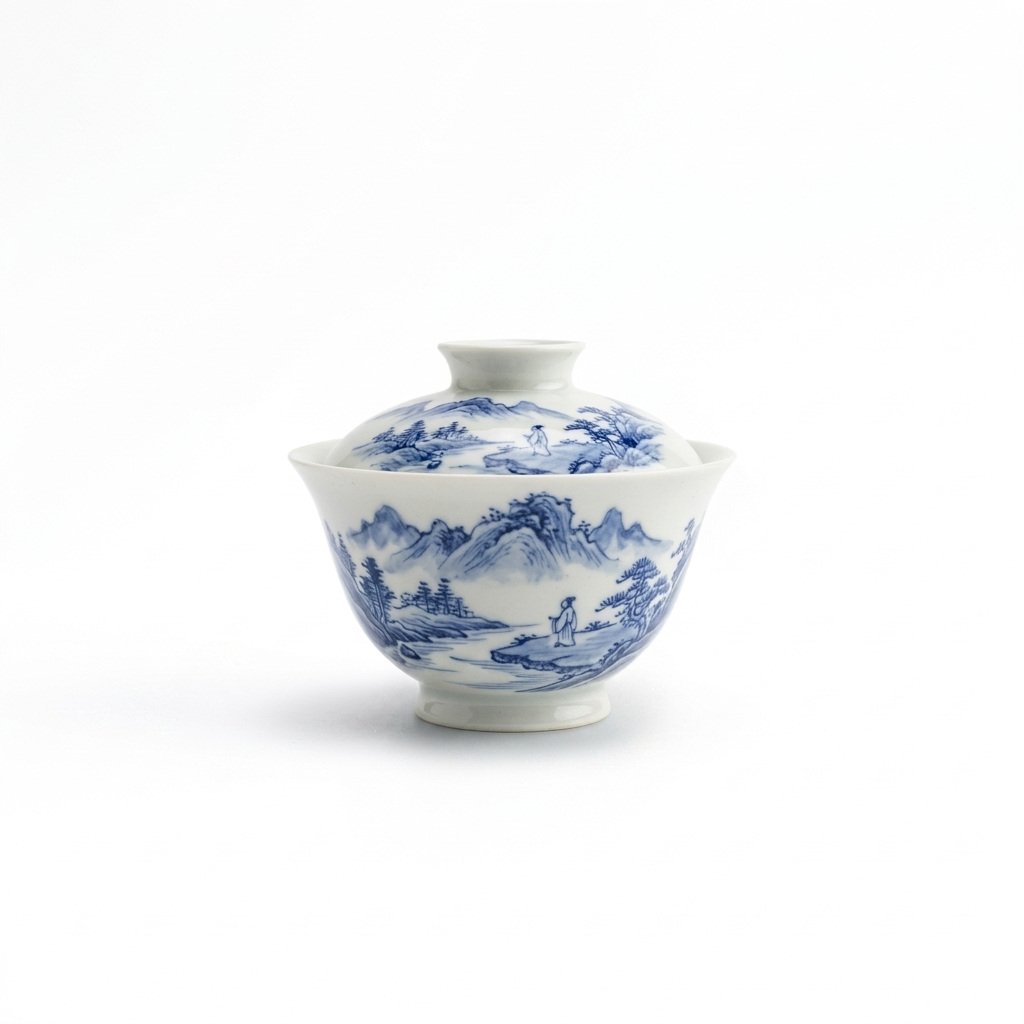
The Blue White Landscape Gaiwan includes a bowl and lid, with a listed capacity of approximately 150 ml. Its instructions call for gentle hand rinsing after use and full drying before storage.
Rinse the bowl and lid individually. Look inside the bowl, around its rim and beneath the lid for leaves or visible residue. Turn each piece slowly as you check it, then set it down before picking up the next. Removing the lid gives you a clear view of both surfaces.
Check the cup inside and underneath
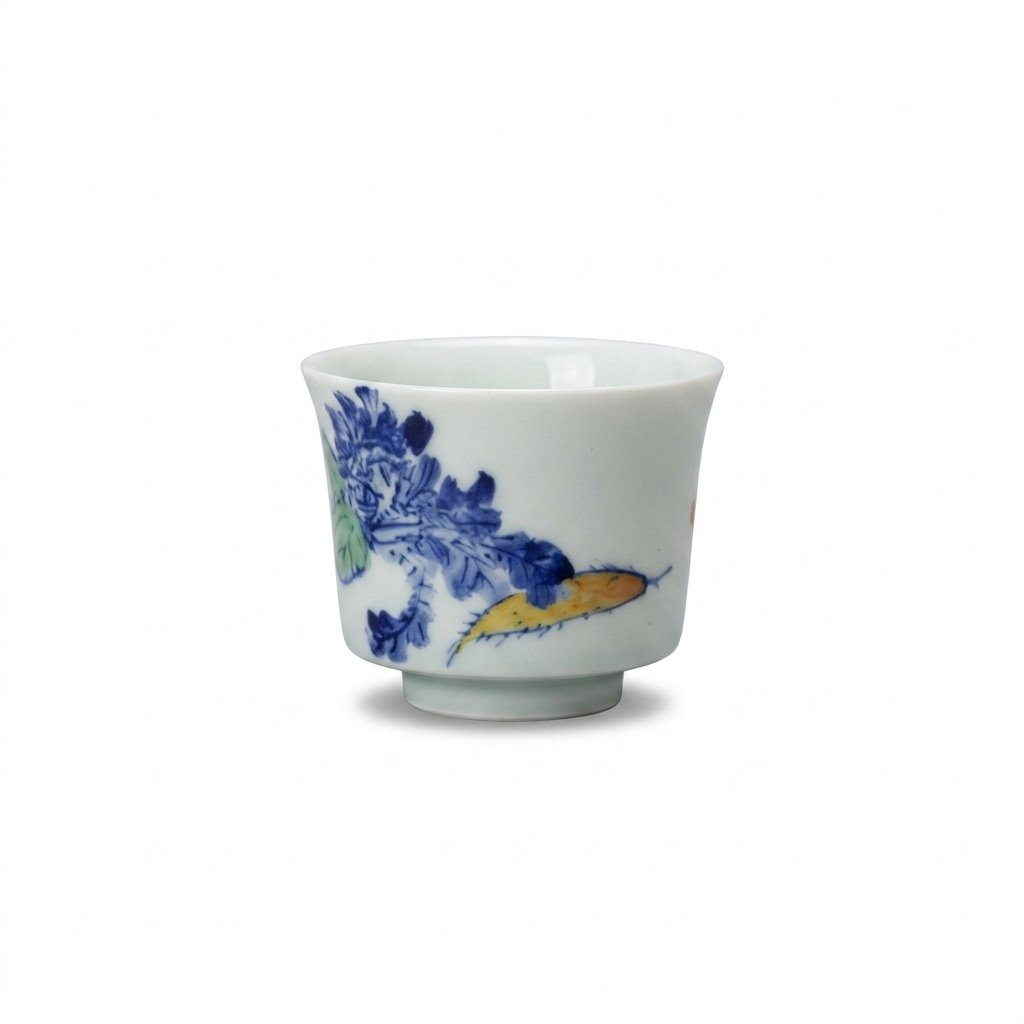
The Sword Kiln Vegetable Motif Cup is a single hand-painted cup with a listed capacity of 90 ml. Its care direction is straightforward: rinse and dry after each use.
Empty the cup and rinse it gently, checking the inside and drinking rim. Look underneath as well, especially if it has been standing on a wet tea surface. Hold the cup securely while turning it; there is no need to rub the painted decoration to assess whether tea remains inside.
Keep the cleaned cup separate from pieces still waiting to be rinsed. That small habit saves you from wondering which ones you have already finished when several cups are beside the sink.
Look beyond the teapot’s opening
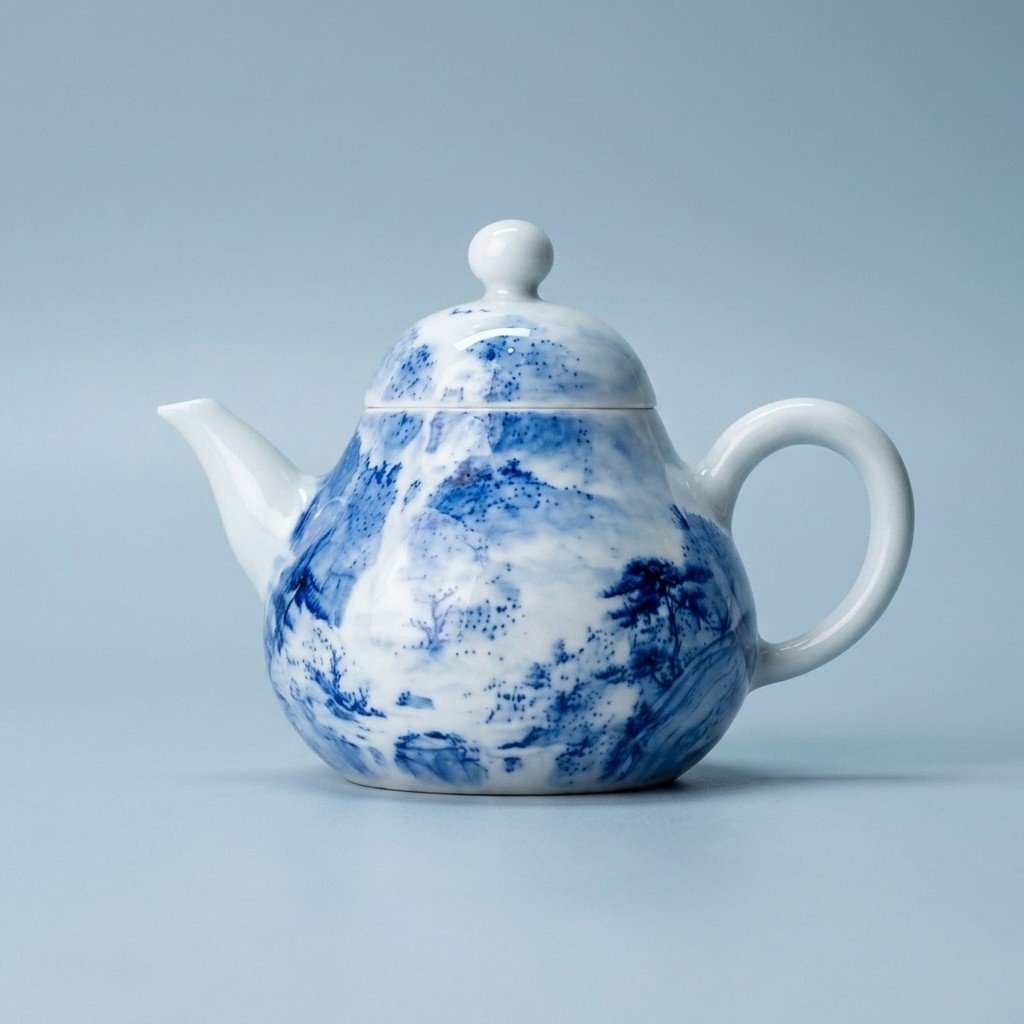
The Sword Kiln Blue Landscape Pear Teapot has a listed capacity of 160 ml. Its care instruction specifically says to dry the body and lid separately after use.
With the lid removed, empty the leaves and inspect the interior. During a gentle rinse, pay attention to the spout as well as the main opening. Check for visible leaf fragments at the spout opening without forcing a tool into it.
TeaTsy’s teapot-cleaning article draws attention to residue inside the pot and spout. That is a useful inspection habit here. Its household stain-removal recipes are not confirmed care methods for these Aurioo pieces, so keep this routine to gentle rinsing and the product’s drying instructions.
Give each part a final check
Use this table while the pieces are still separate. The middle column records the individual product guidance; the final column suggests where to look before drying.
| Piece or part | Product’s stated care | Check before drying |
|---|---|---|
| Landscape Gaiwan bowl and lid | Rinse gently by hand; dry fully before storing | Bowl interior, rim and underside of lid |
| Vegetable Motif Cup | Rinse and dry after each use | Inside, drinking rim and underside |
| Pear Teapot body and lid | Dry the body and lid separately after use | Interior and spout opening for remaining tea or leaves |
Leave the bowl and pot open while they dry, with their lids resting separately on a clean, stable surface. Give the cup its own space too. Check for remaining water before putting the pieces away; a dry-looking exterior does not show you the inside of a covered vessel.
For help identifying the other pieces you use during a session, Aurioo’s Chinese tea set guide explains their roles.
Frequently asked questions
Should I replace the lids while the vessels dry?
Leave them separate. The Pear Teapot explicitly calls for separate drying, and removing the gaiwan lid lets you check that its bowl has dried fully.
Does hand-painted porcelain mean dishwasher-safe?
The description alone does not establish that. Follow the individual care instructions; the Landscape Gaiwan specifically calls for gentle hand rinsing.
What if a mark remains after rinsing?
Avoid escalating to abrasive scrubbing or a household stain-removal mixture. Ask for care guidance for that particular piece before trying a stronger treatment.