
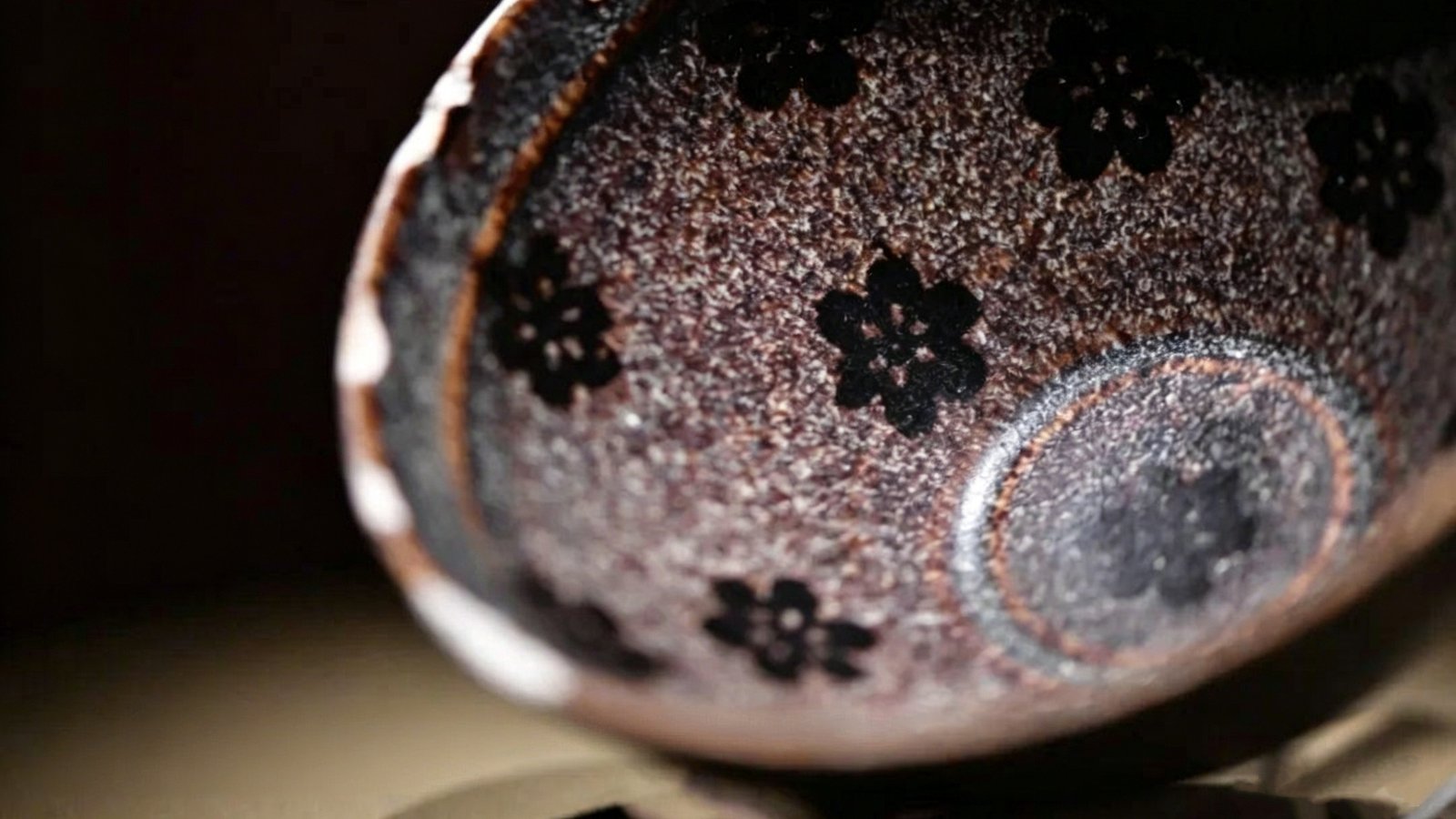
In ceramic art, one pattern looks freshly cut by scissors yet preserved for nearly 1,000 years in kiln fires over 1200℃.
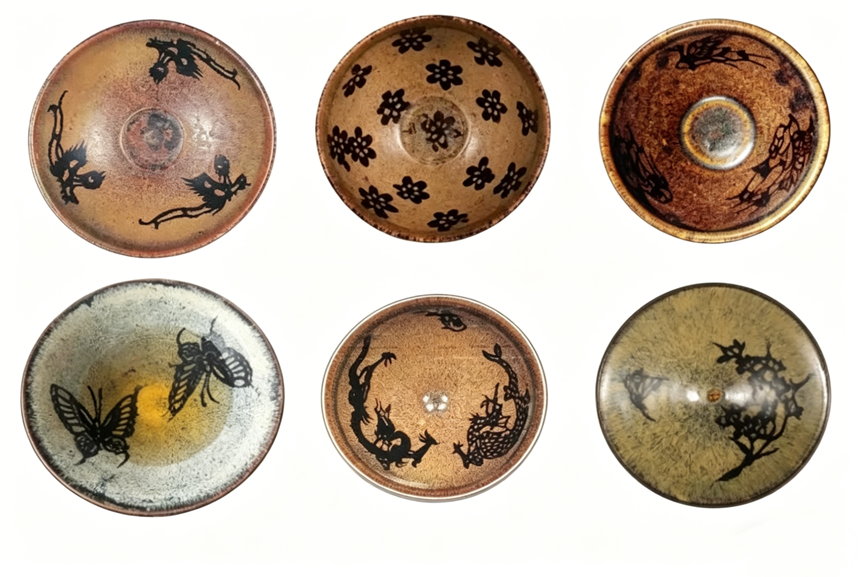
Inside a Song Dynasty black-glazed tea bowl, a phoenix spreads its wings and plum blossoms bloom against frost. The crisp lines resemble delicate paper-cuts on the glaze—but they are not stuck on. Kiln fire permanently etches them into the porcelain, making it timeless art.
This is paper-cut applique decoration: the unique, groundbreaking craft of China’s Jizhou Kiln, loved by ceramic lovers worldwide.
Jizhou Kiln and Its Iconic Paper-Cut Applique Art
In the history of Chinese ceramic development, Jizhou Kiln has always stood in a league of its own. World-famous for its black-glazed porcelain, it developed dozens of highly distinctive decorative techniques over hundreds of years, including iconic leaf vein patterns, tortoiseshell glaze, and of course, paper-cut applique decoration.
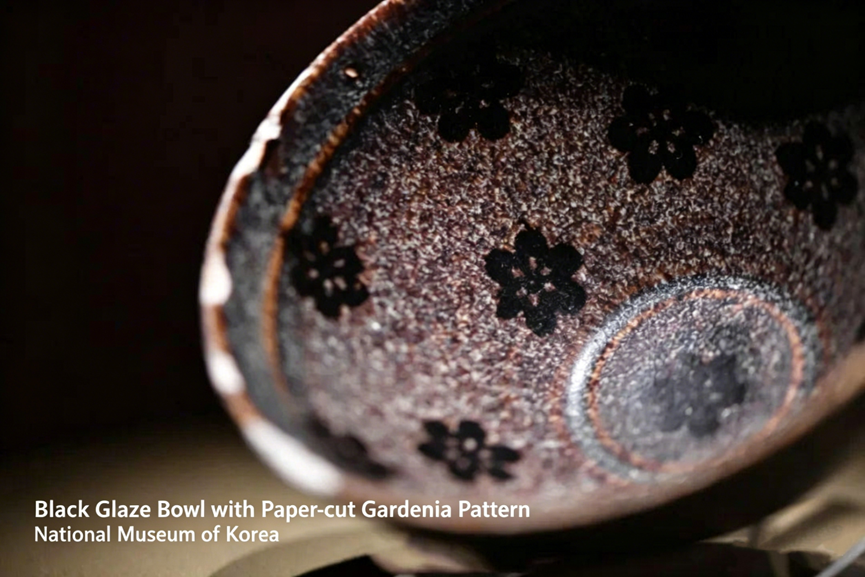
This last technique is Jizhou Kiln’s most legendary innovation. It marked the first time in Chinese ceramic history that folk paper-cut art was fully and systematically integrated into the high-temperature porcelain firing system—a truly revolutionary attempt for its era. This craft was mostly used on tea bowls and tea cups, with only a small number of applications on decorative pieces like vases and jars. This focus on tea ware is deeply tied to the tea competition culture that flourished in the Song Dynasty. It also makes this folk craft the perfect witness to the blend of tea culture and folk aesthetics that defined that era.
This craft was mostly used on tea bowls and tea cups, with only a small number of applications on decorative pieces like vases and jars. This focus on tea ware is deeply tied to the tea competition culture that flourished in the Song Dynasty. It also makes this folk craft the perfect witness to the blend of tea culture and folk aesthetics that defined that era.
What Exactly Is Paper-Cut Applique Decoration, And Why Is It So Captivating?
At first glance, the patterns of paper-cut applique decoration look like they’re just paper cutouts stuck onto the porcelain surface. But the craft behind it is far more intricate and clever than you might imagine.
As a core technique created by Jizhou Kiln in the Southern Song Dynasty, paper-cut applique decoration developed into two mature, sophisticated systems:
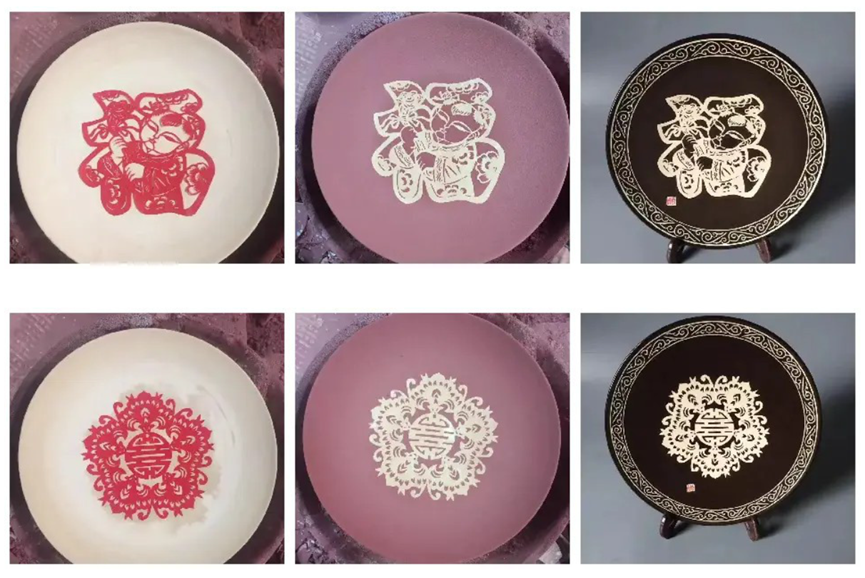
- Single-color paper-cut applique process
Artisans first affixed finely cut paper patterns onto the unfired porcelain body, then applied a layer of glaze over the entire piece. Once the glaze dried, they carefully removed the paper cutout completely, revealing the natural color of the porcelain body beneath. After high-temperature firing in the kiln, a crisp pattern with a striking contrast between the glaze color and the body color was formed.
- Two-color paper-cut applique process
This is the most iconic technique from Jizhou Kiln. Artisans first applied a dark brown base glaze with high iron content to the body. After affixing the pre-cut paper patterns, they added a thin layer of light-colored top glaze with low iron content. The paper cutouts were then removed, exposing the dark base glaze underneath. When fired at around 1250℃, the two layers of glaze underwent natural kiln transformation, creating a decorative effect where light and dark shades complement each other, and the pattern blends seamlessly with the glaze surface.
What makes this craft even more remarkable is the perfect balance it strikes between human artistry and natural spontaneity. The outline of the pattern is hand-cut and precisely controlled by the artisan, but the flow of the glaze in the high heat, and the color blending from the kiln transformation, give every single piece an irreplicable, one-of-a-kind character.
This balance between control and chance gives it the rigorous negative space composition logic seen in Western printmaking, while retaining the unique warm texture and fluid beauty of Eastern ceramics. It’s no wonder it strikes such a chord with ceramic lovers all over the world today.
The Beauty of Eastern Motifs: From Phoenixes to Auspicious Characters
Jizhou Kiln’s paper-cut applique decoration has never been just a decorative craft—it’s a complete visual language of Eastern culture. Every line, every motif, holds thousands of years of well wishes and cultural core passed down through Chinese folk tradition.
The patterns used were mostly things the artisans knew and loved, and can be roughly divided into three categories: animals, plants, and auspicious phrases. All three use the expressive technique of symbolic meaning, with the core theme of praying for good fortune, blessings, and happiness. They carry the artisans’ emotions, heartfelt wishes, and their desire for a better life.
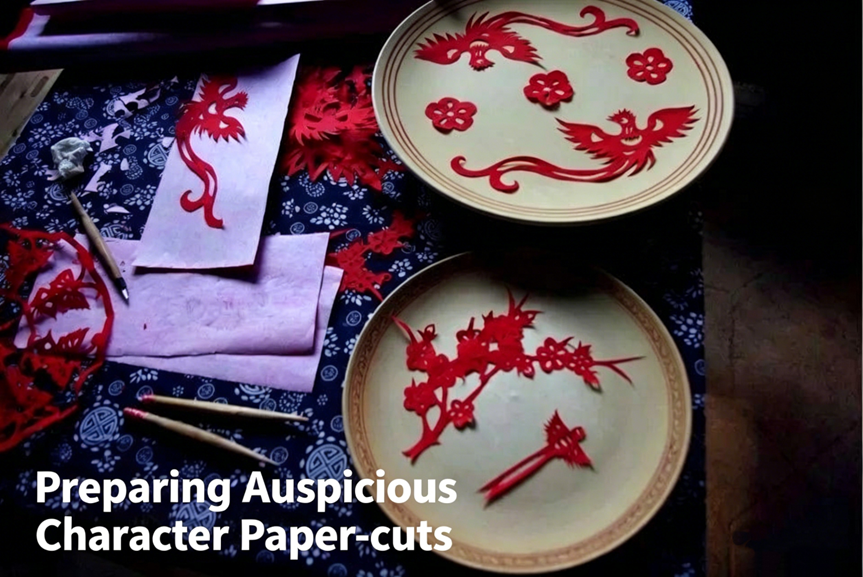
Among the plant motifs, the plum blossom was the most revered by Song Dynasty scholars and literati. A symbol of resilience, purity, and unyielding integrity, it was most commonly featured on vases.
Another groundbreaking innovation of Jizhou Kiln was the integration of auspicious Chinese characters directly into the paper-cut designs. Auspicious phrases and characters such as Fu (blessing), Ji (auspiciousness), Jin Yu Man Tang (may wealth and prosperity fill your home), Chang Ming Fu Gui (long life and prosperity), and Fu Shou Kang Ning (happiness, longevity, health and peace) were cut into paper patterns and permanently fired into the tea bowls.
Rooted in Chinese folk paper-cut tradition, these motifs do not pursue overly complicated details. Instead, they convey charm and spirit with concise, powerful lines. Set against the deep black glaze background, they stand out with striking clarity, reaching an artistic height that is loved by both scholars and everyday people alike.
Why It Has Captivated the International Ceramic World
The global journey of Jizhou Kiln’s paper-cut applique porcelain began as early as the Song and Yuan dynasties.
At the height of its prosperity, Jizhou Kiln’s products were shipped continuously to Japan, the Korean Peninsula, Southeast Asia, and even as far as the Middle East and Africa. In 1976, a large number of Jizhou Kiln porcelain pieces were recovered from the wreck of a Yuan Dynasty trading ship in the Shinan waters off the coast of South Korea.
This merchant ship set sail from Ningbo for Japan in 1323, and its surviving cargo provides physical proof of the important role Jizhou Kiln porcelain played in overseas trade during the Song and Yuan dynasties. It also shows the world that this craft began its cross-cultural journey more than 700 years ago.
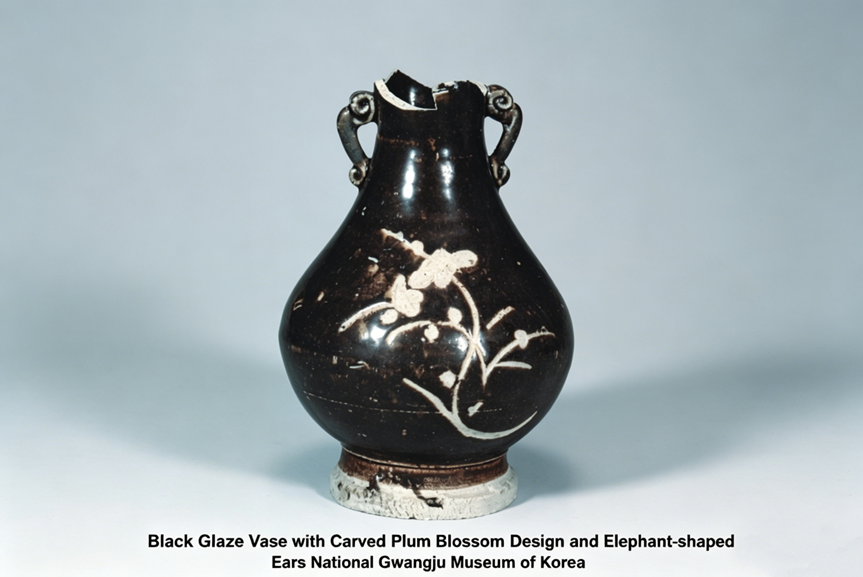
Today, Jizhou Kiln’s paper-cut applique porcelain holds a treasured place in the collections of the world’s top museums. The Tokyo National Museum in Japan has hailed its treasured paper-cut applique tea bowl as a “National Treasure”. The National Museum of Korea displays pieces recovered from the Shinan Shipwreck, and institutions including the British Museum in the UK all house precious Song Dynasty Jizhou Kiln pieces.
In the collection descriptions of these overseas institutions, it is often defined as “ancient Chinese stencil art” and “silhouette art”—a unique ceramic language that uses the “negative space” of the glaze to create striking imagery.
Why It Still Resonates With Ceramic Lovers Today
After nearly a thousand years, Jizhou Kiln’s paper-cut applique decoration still captivates ceramic lovers around the world—and it’s not just because it’s “ancient”. It’s because it aligns perfectly with modern people’s deep desire for handcrafted work, authenticity, and one-of-a-kind pieces.
In today’s world of mass industrial production, the charm of paper-cut applique porcelain is only amplified. For collectors and everyday users alike, it works perfectly in every setting: use it as tea ware, and feel the elegant tea culture of Song Dynasty scholars with every steaming sip; or display it as home decor, bringing a quiet, powerful touch of Eastern elegance to your space.
It is an artistic treasure that has crossed a thousand years, and a piece of beauty that fits seamlessly into modern daily life.
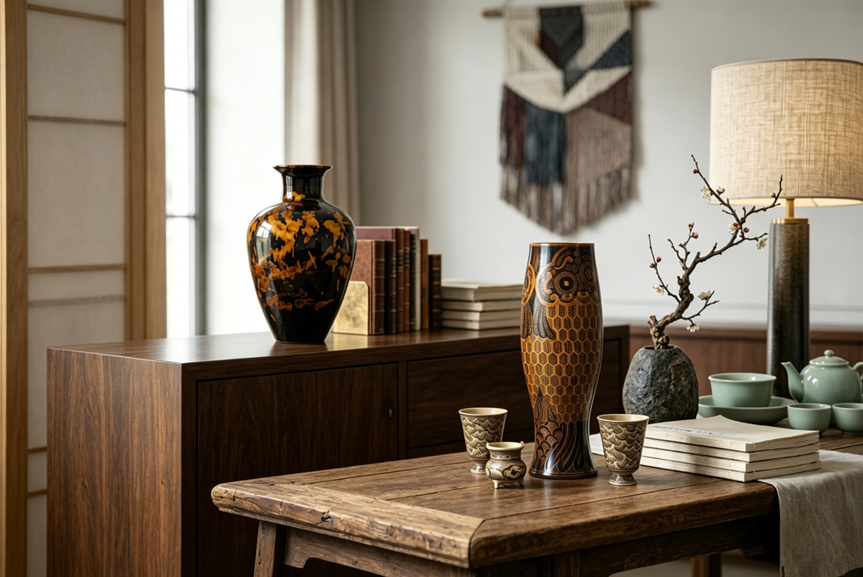
If you’ve fallen in love with this incredible ceramic art, we invite you to explore Aurioo’s Jizhou Kiln collection. Let the timeless beauty of this thousand-year-old silhouette art find a home in your everyday life.
Reference
The Perfect Combination of Paper-cut Art and Porcelain – Jizhou Kiln Paper-cut Decoration Tea Bowl
A Review of the Research on Ceramics from the Xin’an Shipwreck – The Palace Museum