
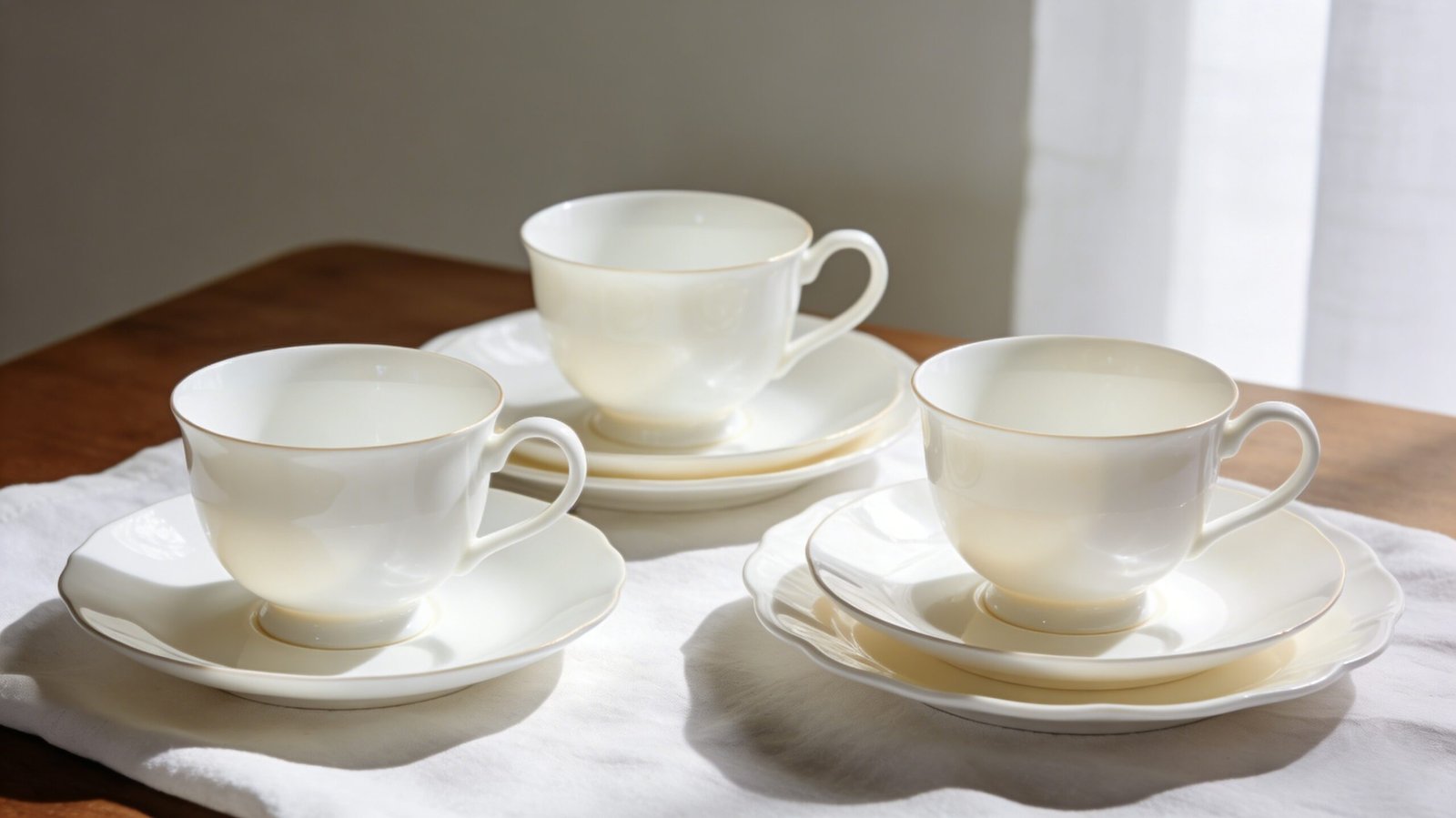
Bone China is one of the finest and most durable types of porcelain ever conceived, known for its elegant whiteness, lightness, and translucence. Long associated with British royal collections and minimalist home dining settings alike, today bone china remains a sought-after material worldwide.
What Is Bone China?
Bone china is a vitreous ceramic made up of bone ash derived from animal bones that has been calcined, typically used as pigment. According to international definition, high-end bone china usually contains at least 30% bone ash while traditional formulae usually consist of kaolin, feldspathic material and bone ash to create creamy yet light and translucent porcelain bodies that produce the characteristic creamy finish associated with bone china ceramics.
Bone china differs from ordinary porcelain in that it can be made thinner while remaining extremely strong, enabling many delicate-looking bone china tea sets to remain durable enough for everyday use.
Brief History of Bone China
Thomas Frye made early experiments using bone ash mixed into porcelain mixtures near cattle markets as the cornerstone for what became bone china, adding up to 45% by weight in some early formulae.
Josiah Spode first developed bone china during the 1790s in Stoke-on-Trent. At first known as Stoke China, after his death its name was quickly altered to bone china which soon spread among British potteries and eventually worldwide.
Bone china was initially manufactured almost exclusively in the UK–particularly Stoke-on-Trent–before production expanded to China, Japan, and Russia. China now stands as the world’s top bone china producer.
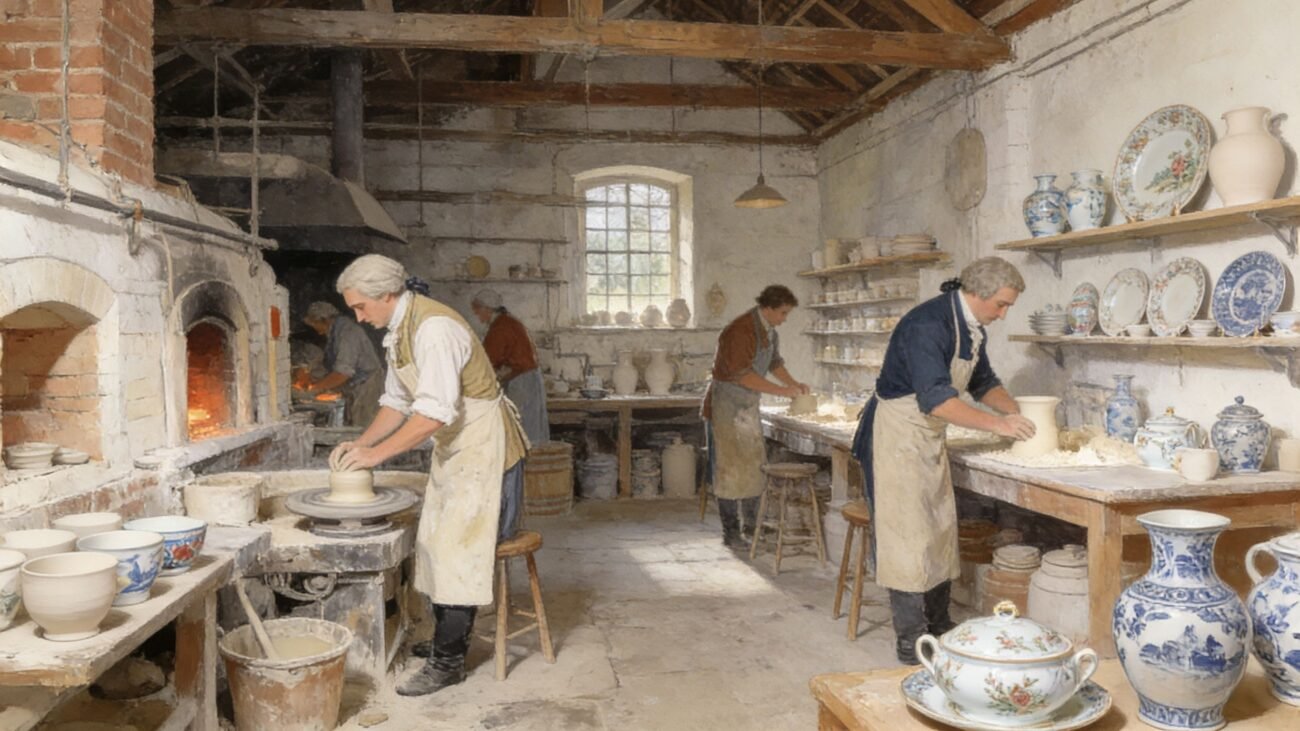
How Does Bone China Form?
Traditional bone china is created using several different processes:
25% Kaolin and 25% China Stone
Bone ash–made traditionally from cattle bones–is first cleaned, degelatinised, calcined at approximately 1000degC and ground into fine particles before mixing with clay and fired at high temperatures of 1200degC to form vitrified ceramic bodies that are strong yet translucent in appearance.
Modern formulations sometimes utilize hydroxyapatite mineral sources instead of natural bone in order to meet bone ash standards.
Why Bone China Is Unique?
Ultra-white and translucent – lightweight yet strong;
More durable than fine porcelain;
Refined, subtle milky appearance without pores to break or stain;
Food grade bone china stands out from ordinary porcelain as being transparent to light. Ordinary porcelain tends to be thicker and opaqueer.
Benefits of Utilizing Bone China
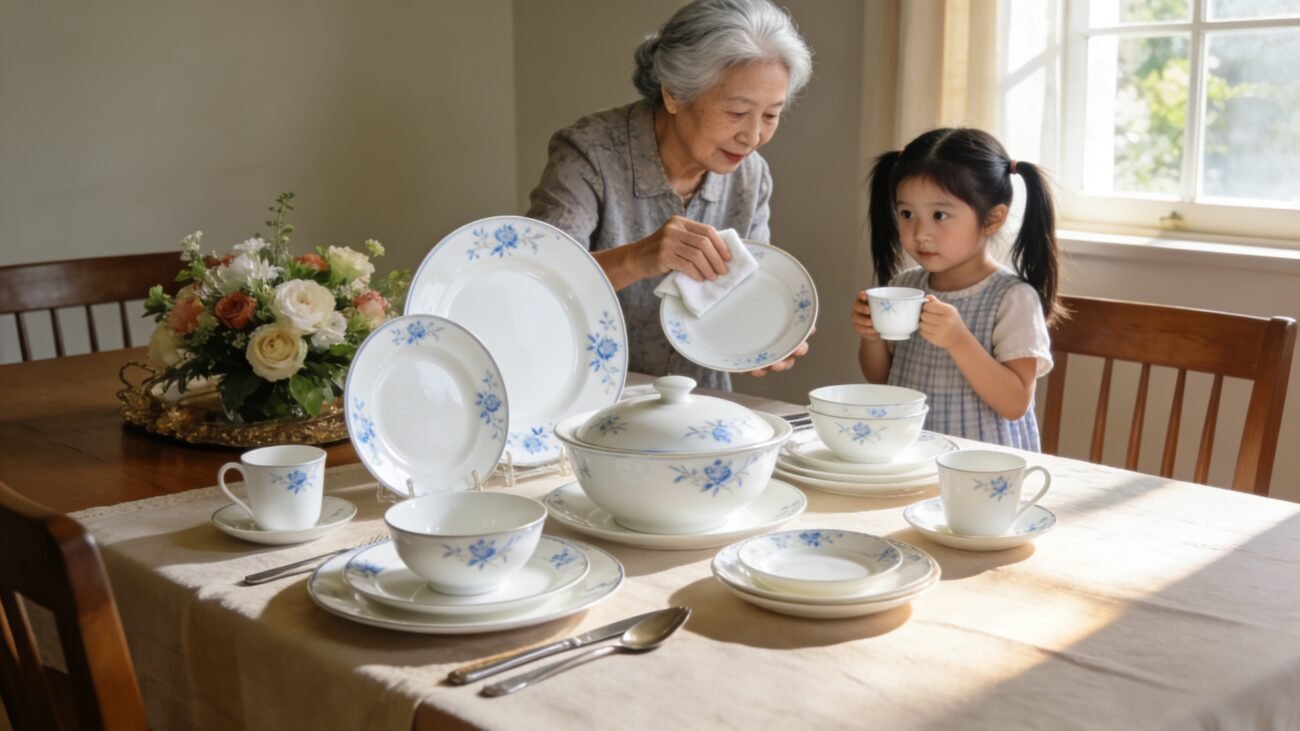
Bone china may appear fragile, yet it’s one of the strongest ceramic materials available.
Bone china is durable enough for daily use; it can withstand microwave oven use, dishwasher cleaning and most chip resistance – qualities which make it perfect for everyday dining, not only special events. Furthermore, quality bone china holds sentimental value; often handed down from generation to generation.
Comparing Bone China, Porcelain and Fine China
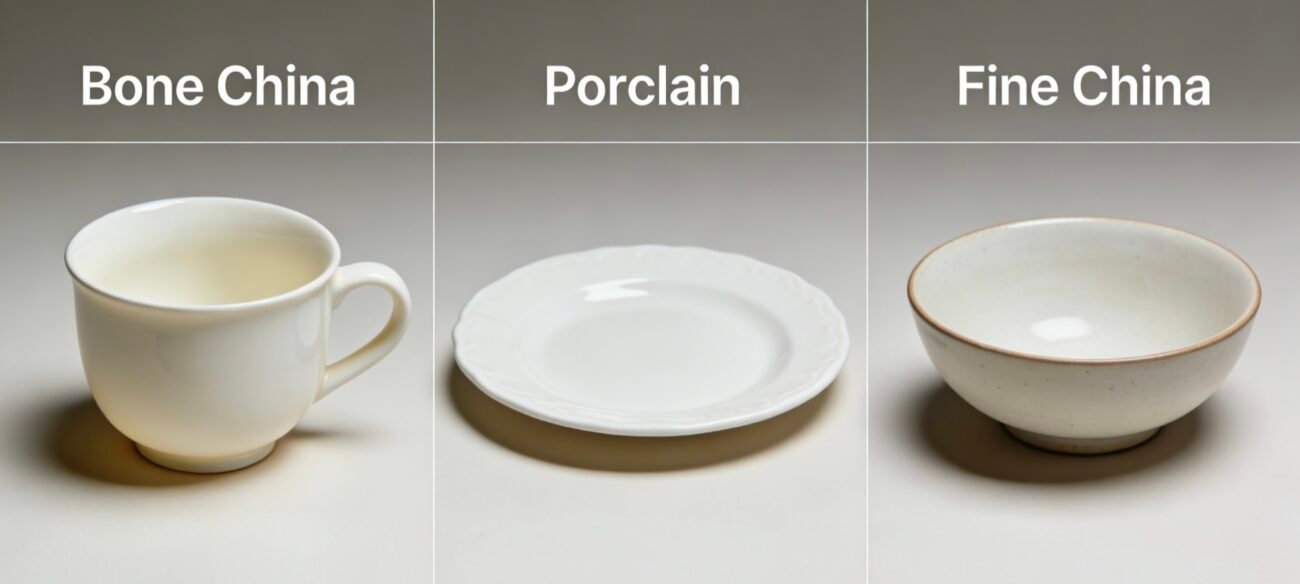
Bone china contains bone ash while fine china does not. Bone china often features warmer tones (slightly creamy hue) while fine china appears whiter; bone china also tends to be more translucent than its counterpart.
·Bone China Vs Porcelain
Porcelain can be fired at higher temperatures to become harder and thicker; while bone china, which utilizes bone ash to increase strength while creating thinner cross sections, is lighter and more elegant in appearance.
Bone China Care Tips (Practical Home Guide)
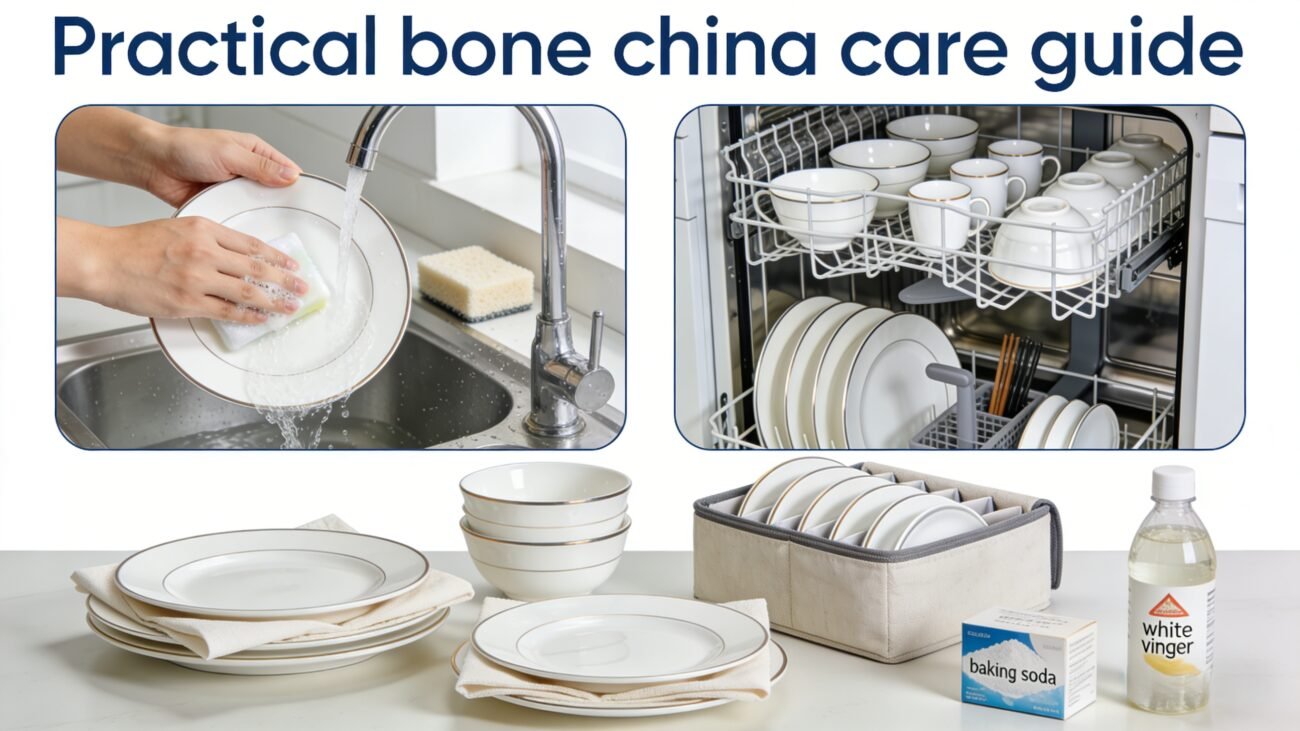
Although bone china is quite sturdy, proper care can ensure it remains in excellent condition:
·Handwash with mild detergent.
·Avoid aggressive scrubbing by loading carefully into a dishwasher.
·Avoid direct metal-to-ceramic friction.
·Store separate plates using napkins or soft cloth.
·Avoid stacking too tightly.
·Store fabric cases to provide long-term care.
·Baking soda can quickly remove stains from fabrics for quick maintenance solutions.
·Soak in white vinegar to eliminate hard-water spots.
Reference
https://en.wikipedia.org/wiki/Bone_china
2、What is Bone China? The Truth About Bone China
https://www.wedgwood.com/en-us/welcome-to-wedgwood/buying-guides/a-guide-to-bone-china